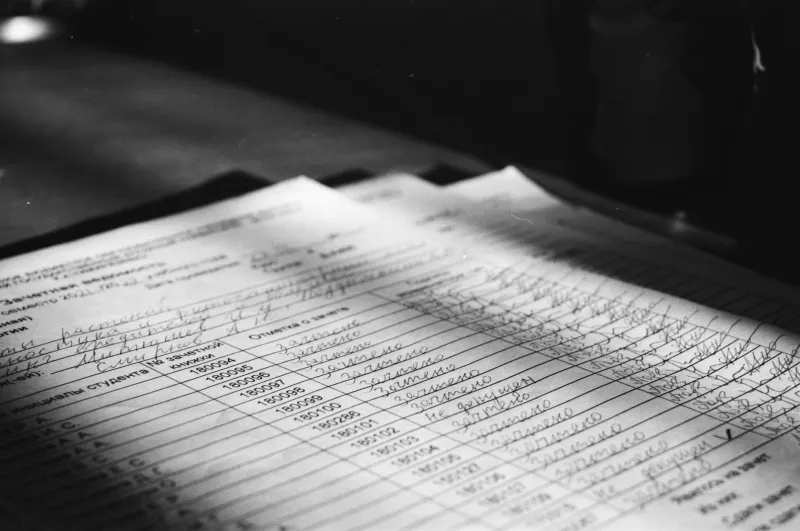
Why Your Grades Are Not Posted Yet: The Academic Calendar Forces Behind Transcript Delays

The Moment After the Final: Why the Portal Shows Nothing
The last exam is submitted. The semester is over. A student logs into their college's student information system expecting to see grades, and instead finds the same placeholder text that has been there for weeks. This experience is nearly universal among US college students, yet the reasons behind it are rarely communicated clearly by institutions.
Grade posting delays are not random. They follow a structured sequence of administrative events that begins with faculty submission deadlines and ends with registrar-level processing. Each stage introduces its own timeline, and the cumulative effect is a gap that can span anywhere from forty-eight hours to several weeks, depending on the institution and the time of year.
How Faculty Submission Deadlines Shape the Timeline
The first constraint in the grade posting process belongs to faculty. Every accredited US institution sets a grade submission deadline — a date by which instructors must enter final grades into the institution's grading system. These deadlines typically fall between forty-eight hours and one week after the final examination period concludes.
The deadline, however, is not a guarantee of uniform compliance. Faculty who teach large lecture courses, manage complex grading rubrics, or are handling end-of-semester administrative obligations may submit grades at different points within that window. A student in a seminar course with an instructor who submits grades the morning after finals may see results days before a peer in a large introductory lecture course whose professor submits at the deadline.
Some institutions impose tiered deadlines: grades for graduating seniors are due earlier than grades for continuing students, because commencement processing requires confirmed academic standing. Students approaching graduation who are waiting on a single course grade are often prioritized within the faculty submission system for this reason.
Registrar Processing: The Stage Most Students Never See
Once faculty submit grades, the information does not immediately appear in the student-facing portal. It enters the registrar's processing queue, where a series of automated and manual verification steps take place before the record is officially updated.
These steps include:
- Grade validation checks: The system confirms that submitted grades fall within acceptable parameters and that all enrolled students in a course have received a grade.
- Academic standing recalculations: GPA, academic standing designations (such as Dean's List, academic probation, or satisfactory academic progress for financial aid), and credit hour totals are recalculated.
- Degree audit processing: For students near graduation, the registrar runs updated degree audits to confirm completion of requirements.
- Hold flag review: Any administrative holds that affect record access or transcript release are verified during this stage.
At large research universities, this processing cycle handles hundreds of thousands of grade entries simultaneously. The computational and administrative load during the post-semester window is among the heaviest of the academic year, which contributes directly to the delay students experience.
The Semester-End Bottleneck: Why Some Periods Are Worse Than Others
Not all academic terms are created equal in terms of processing speed. The spring semester consistently produces longer delays than fall or winter terms at most US institutions, for a straightforward reason: spring is graduation season.
During spring semester closing, the registrar's office is simultaneously processing grade submissions, confirming degree completion for graduating students, generating diplomas, preparing commencement materials, and fulfilling a surge of official transcript requests from students applying to graduate programs and entering the workforce. The operational demand is substantially higher than during a fall semester close.
Summer sessions, by contrast, often post grades faster than any other term. Smaller enrollment, lighter administrative load, and streamlined faculty submission processes mean that summer grades frequently appear within twenty-four to forty-eight hours of submission.
Student Information Systems and the Technology Behind the Delay
The platform a college uses to manage academic records also influences posting timelines in ways that are invisible to students. The most widely deployed student information systems in the US — including Banner, PeopleSoft Campus Solutions, and Workday Student — each handle grade processing differently, with varying batch update schedules.
Some systems update the student-facing portal in real time as grades are submitted. Others run batch processing jobs at scheduled intervals — commonly once per day, overnight. A student checking the portal at 2:00 p.m. may not see grades submitted at noon until the following morning if the system processes updates in a nightly batch cycle.
Institutions that have recently undergone system migrations or are running customized legacy configurations may experience additional processing variability, particularly during high-volume periods.
A Practical Checklist for Navigating Your Institution's Timeline
Rather than refreshing a portal repeatedly without context, students can take a more informed approach by establishing a clear picture of their institution's specific schedule.
Step 1: Locate the academic calendar on your registrar's website. Identify the official grade submission deadline for the current term.
Step 2: Find the registrar's published grade posting timeline. Many institutions specify when grades will be visible to students following faculty submission.
Step 3: Confirm whether your institution uses real-time or batch processing by contacting the registrar's office or reviewing the student information system documentation.
Step 4: If you are a graduating student, identify the separate deadline for senior grades, which is typically earlier than the general submission deadline.
Step 5: If grades have not appeared within three business days of the registrar's published posting date, contact the registrar's office directly with your student ID and course details.
Step 6: Verify that no administrative holds are blocking your access to academic records, as holds can prevent grade visibility even after processing is complete.
When the Wait Has Consequences
For most students, a brief delay in grade posting is an inconvenience. For others, the timing carries real stakes. Graduate school applicants submitting final transcripts, students whose financial aid renewal depends on GPA thresholds, and athletes subject to academic eligibility reviews all face situations where a processing delay can have downstream effects.
In these circumstances, proactive communication with the registrar's office — and, where relevant, with the graduate admissions office or financial aid office at the receiving end — is the most effective strategy. Most institutions will provide interim confirmation of academic standing or a letter of grade completion for students who have documented time-sensitive needs.
Understanding the system does not eliminate the wait. But it transforms an ambiguous delay into a manageable administrative sequence — one that students can navigate with precision rather than anxiety.